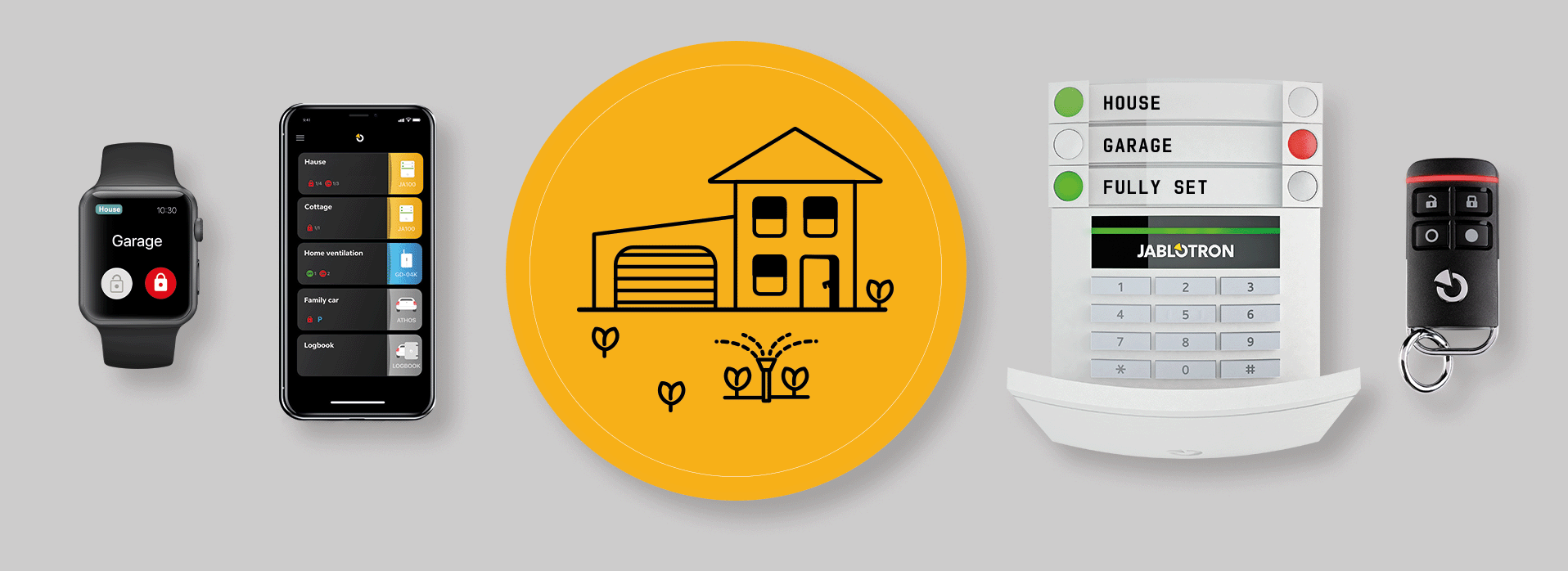
Alarm systems
A modern alarm system consists of various hardware components and software that work together to provide you with reliable protection. It can detect break-ins, fires, gas leaks, carbon monoxide hazards, and even vandalism, allowing you to respond quickly and prevent damage.
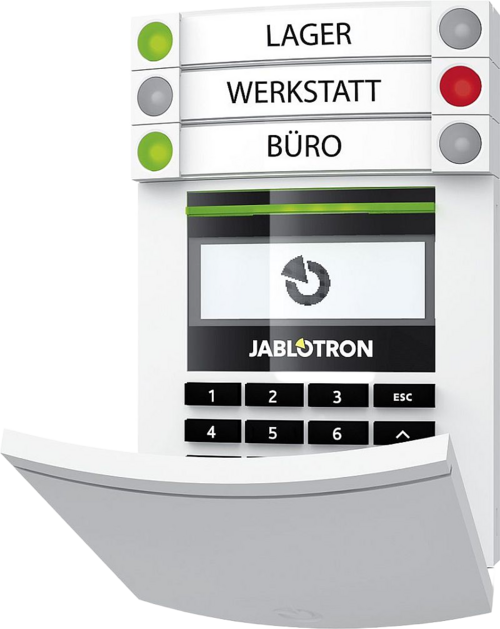
Alarm center (central control unit)
The alarm control panel is the heart of the entire alarm system. It receives signals from the connected sensors and processes them.
As soon as a danger is detected (e.g., by a motion detector), the control panel triggers the alarm and sends a notification to the responsible parties (e.g., owners or security services).
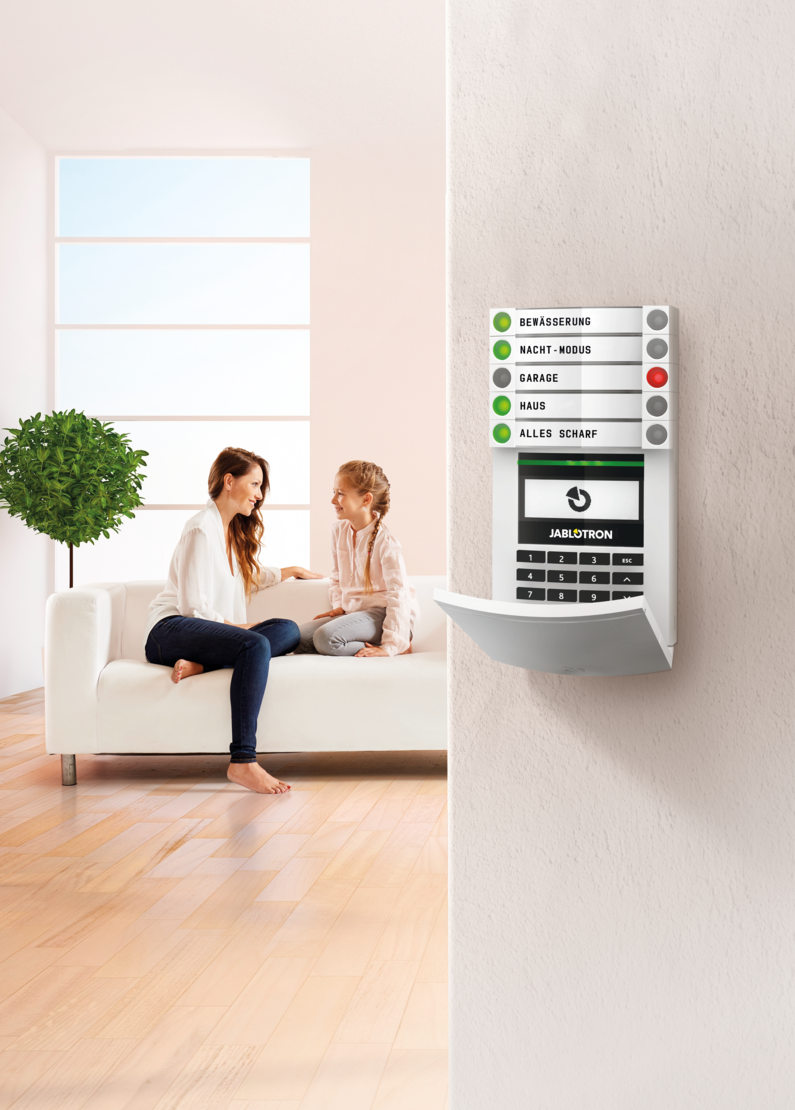
Sensors and detectors
Sensors are responsible for detecting hazards. There are different types of sensors, depending on what you want to secure:
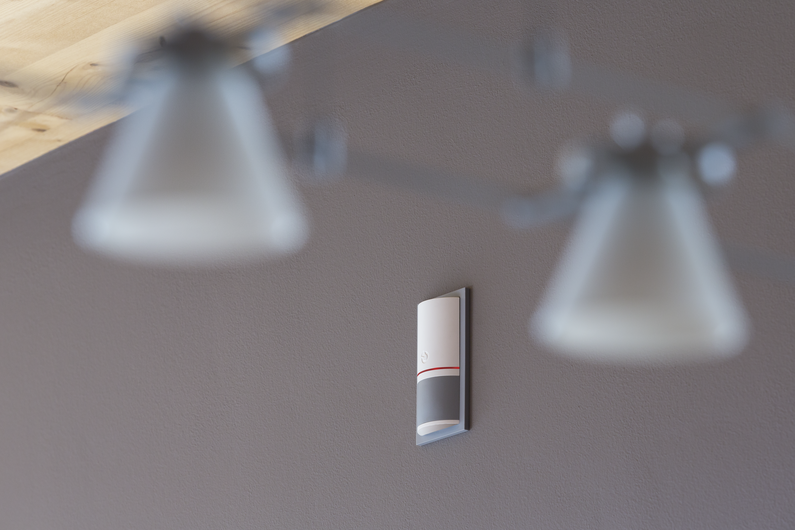
Motion detectors: These devices detect movement in the monitored area. They are ideal for indoor areas such as offices or hallways.
Door/window contacts: These sensors register when a door or window is opened. They are ideal for securing all entrances to a building and immediately triggering an alarm if someone attempts to enter without authorization.
Smoke detectors: These devices detect smoke or fire and sound an alarm to warn of fires in good time. They are particularly important in kitchens, basements, and offices.
Gas detectors: These detect dangerous gas leaks (such as CO or methane) and sound the alarm before there is a health hazard.
Glass break sensors: These sensors detect when glass breaks and trigger the alarm, which is particularly useful for windows and glass walls.
Siren and notification system
As soon as the control center triggers the alarm, a siren is activated, which draws attention to the danger on site with an audible signal. This helps to deter burglars, as the alarm is immediately audible.
In addition, notifications (e.g., push messages, text messages, or emails) are sent to the owner, security services, or an emergency number so that immediate action can be taken.
Which areas can be covered by an alarm system?
An alarm system offers a wide range of protection and can be customized to suit the needs of the building or company. Here are the most important areas of application:
The alarm system protects all entrances (doors, windows) as well as interior rooms where valuable objects are stored, such as offices or storage rooms.
Door/window contacts and motion detectors are particularly important here.
Smoke detectors and heat detectors enable an alarm system to warn of fires at an early stage. Kitchens, basements, and hallways are particularly critical, as fires can quickly develop in these areas.
Smoke detectors and heat detectors play a crucial role here.
A gas detection system can detect dangerous gas leaks (such as methane) and carbon monoxide (CO), which can quickly become life-threatening.
CO alarms and gas detectors provide this important protection.
Conclusion
A well-planned alarm system protects your home or business from various dangers. It can be flexibly adapted to your requirements and offers comprehensive protection against burglary, fire, gas leaks, and more. Whether for a small office, a large company premises, or a private household, an alarm system is the first step toward greater security.