Locking systems
What exactly is a locking system?
A locking system is a sophisticated locking system consisting of several lock cylinders and specially designed to assign different access authorizations. Different keys can be activated for specific doors or areas, while a master key can open all doors in the system.
How does a locking system work?
Master key:
A higher-level key locks all doors and cylinders in the system.
Group keys:
Certain keys only grant access to selected doors or areas. These are usually caretaker keys that lock all common areas.
Individual key:
Locks only a specific cylinder. For example, a key that only locks the front door but no other rooms.
In addition to door cylinders, mailboxes, padlocks, furniture cylinders, or additional locks can also be integrated into a locking system. This makes this solution perfect for private households, apartment buildings, companies, and public buildings to efficiently organize security and access rights.
The locking authorizations of a locking system can be selected individually and as required, so that each user has access to all necessary doors and cylinders with just a single key. This keeps the management of access rights flexible and secure, while simplifying everyday life for employees and managers.
Locking system for residential complexes – security and convenience for all residents
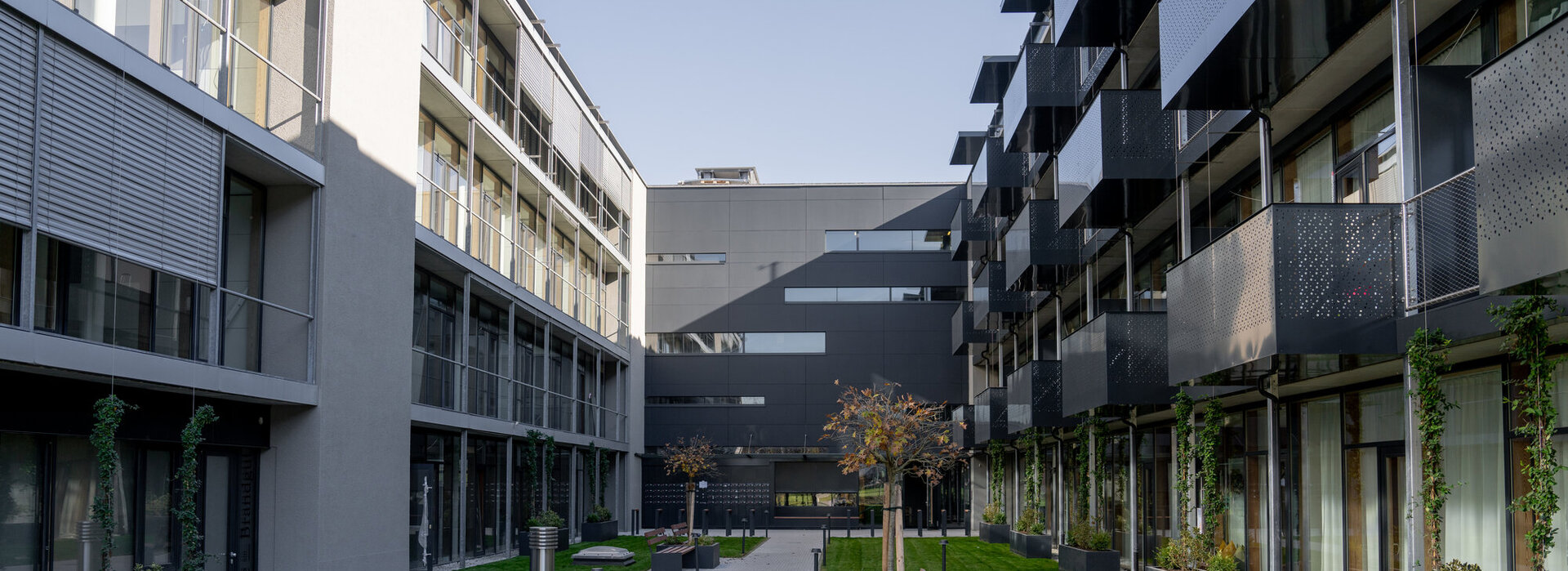
A mechanical locking system is the ideal solution for residential buildings to efficiently organize security and access control. Thanks to a well-designed system, different access authorizations can be assigned:
Common areas (e.g., building entrance, bicycle storage room, garbage room) are accessible to all residents with their apartment keys.
Special rooms (e.g., technical rooms, caretaker's office) can only be locked by authorized persons such as the caretaker.
Apartment-specific cylinders (apartment door, mailbox, basement compartment, or padlock) can only be locked with the individual apartment key.
A locking system for residential complexes eliminates the need for multiple keys, as a single key locks all relevant cylinders. This increases convenience for residents and at the same time ensures a secure, well-structured access system.
Locking systems in commercial areas – Efficient security solutions for businesses
Locking systems in commercial settings offer companies an efficient way to organize their security and access controls. The system works similarly to residential complexes, but with more detailed customization to the needs of different departments and employees.
Master key: The managing director or boss has access to all doors and cylinders throughout the company with one key.
Department keys: Department heads can use their keys to open all doors in their own department, but not those of their colleagues in other departments.
Employee keys: Employees have restricted access and can only lock the doors relevant to their tasks within their department.
Separation of departments: Each department has its own access restrictions, so that departments do not have access to other areas.
Which systems do we use, and what are their advantages and disadvantages?
We offer five different systems for designing your locking system. These are basically divided into reversible key systems and serrated key systems, with reversible key systems tending to be slightly more expensive. A professional security company attaches great importance to ensuring the highest possible patent protection in order to guarantee maximum security.
Before we dive into the details of our locking system solutions, we will explain the fundamental difference between serrated key systems and reversible key systems:
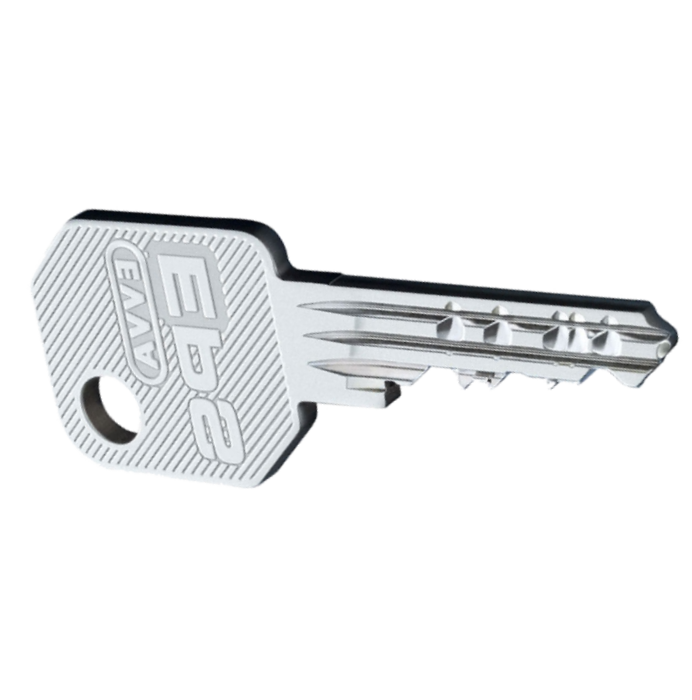
Serrated wrench systems
Serrated key systems are characterized by a simple, classic key shape with serrations on the key. These keys have a standardized shape and are widely used.
They are relatively inexpensive and offer basic security.
Reversible key systems
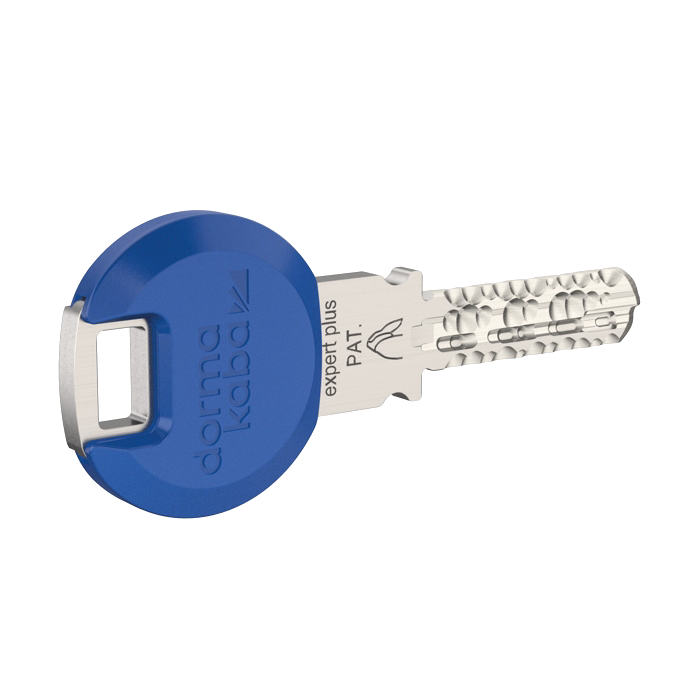
Reversible key systems, on the other hand, feature special reversible technology that allows the key to be inserted in either direction to operate the lock. These keys offer a higher level of security, as they are not only more difficult to duplicate, but also feature more complex mechanisms.
Reversible key systems are therefore generally more expensive, but offer enhanced protection and a longer service life.
Our current serrated wrench systems
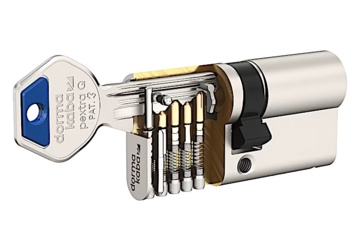
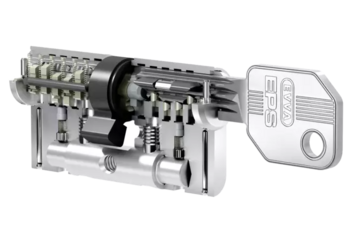
Our current reversible wrench systems
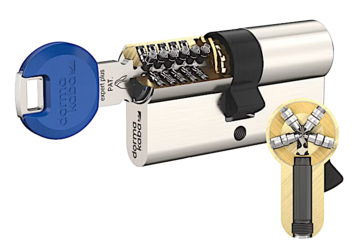
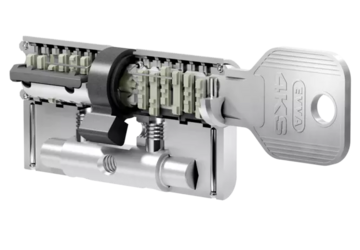
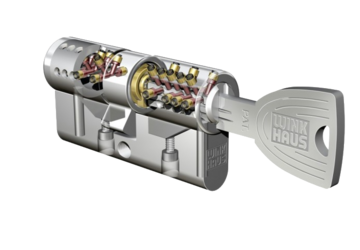
Digression: Patent protection—why is it so important?
Patent protection plays a crucial role in the security of a locking system. A valid patent prevents keys from being copied by unauthorized third parties. This means that only the manufacturer or the owner of the proprietary profile is authorized to have keys copied.
Once the patent protection expires, other manufacturers with the appropriate machinery can duplicate keys if the profile and technical requirements are available. For this reason, maintaining patent protection is important for companies and private customers in order to ensure long-term access security.
Longer patent protection ensures greater exclusivity and protects against unauthorized key copying, which maintains the security level of the locking system.
You can find the patent protection for our systems on the individual pages.