Clinics, medical centers, and health centers – security and trust in healthcare
Clinics, medical centers, and health centers bear a special responsibility: they combine sensitive areas such as operating rooms, laboratories, and pharmacies with publicly accessible zones such as outpatient clinics and waiting rooms.
At the same time, they must protect patient data, medications, medical equipment, and cash. A modern security concept builds trust among patients, reduces the burden on staff, and ensures compliance with legal requirements.
Access control and/or mechanical locking system
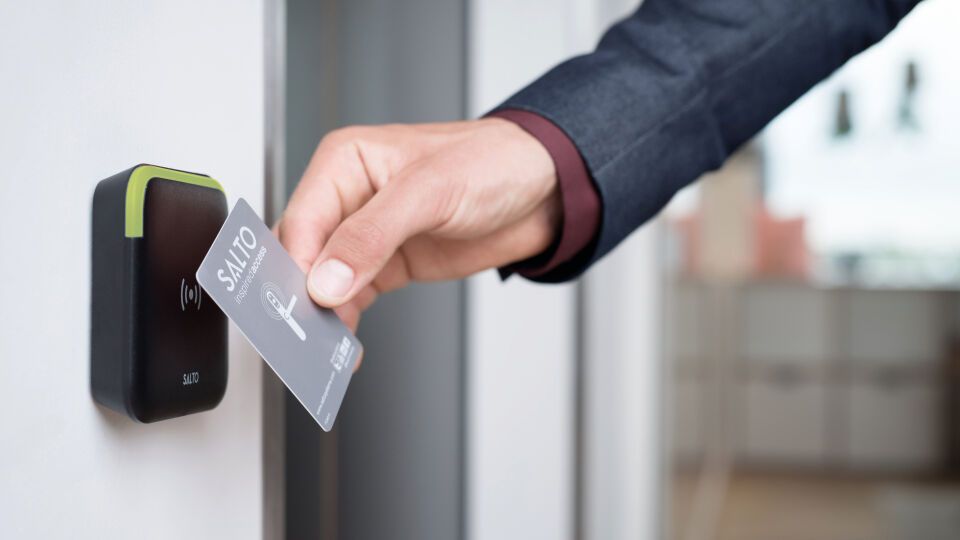
Electronic access control systems are indispensable in hospitals. They regulate who has access to highly sensitive areas such as intensive care units, operating rooms, or medication storage areas. Authorizations can be assigned individually and on a time-based basis—doctors and nursing staff are given extended access, while cleaning teams or external technicians have only limited rights.
Access control systems are also helpful for patient and visitor flows. Visiting hours can be clearly controlled, and access to sensitive areas such as isolation wards can be automatically blocked.
BioCote coating possible – coating with antimicrobial agent based on silver ions.
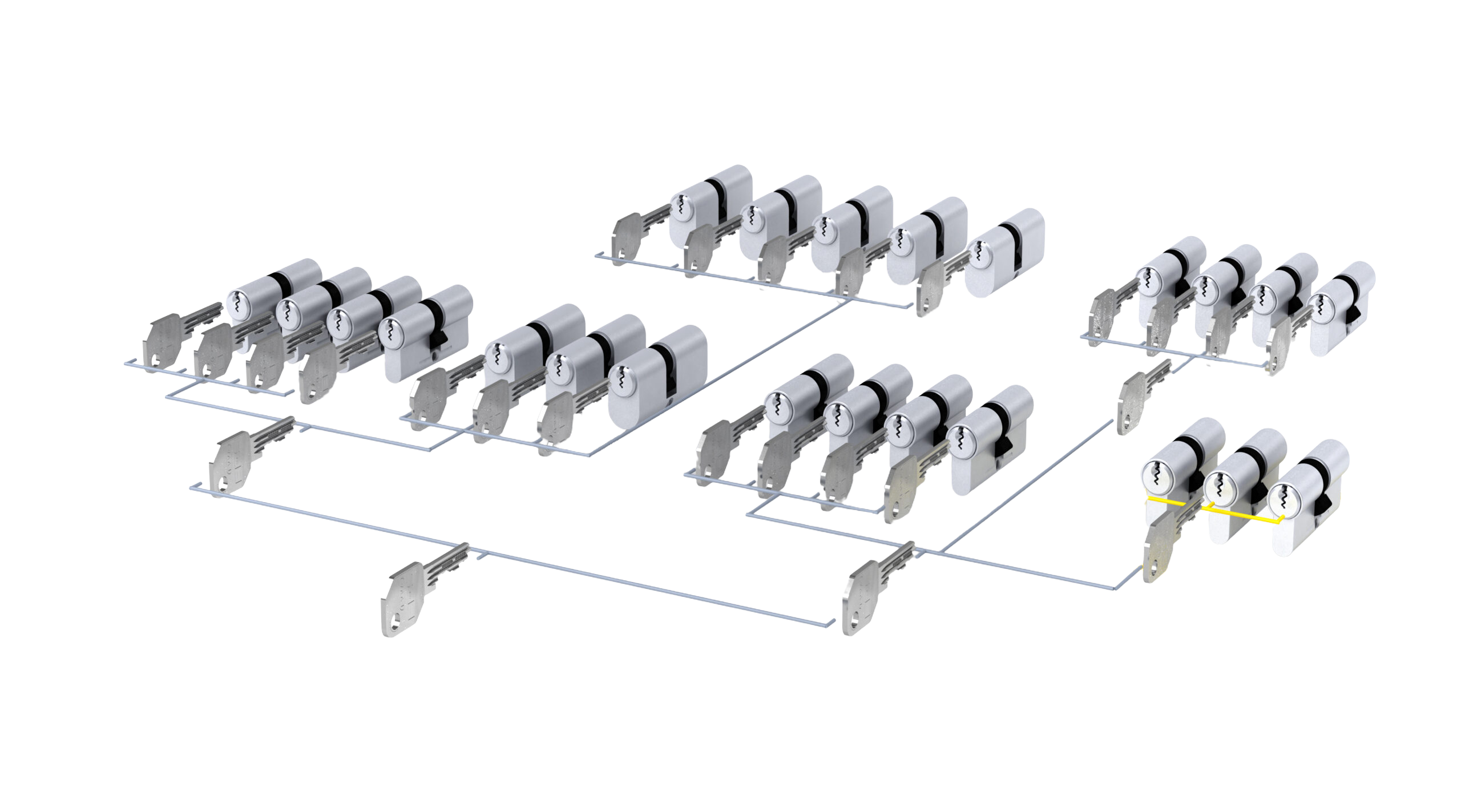
Mechanical locking systems complement the system effectively – for example, for adjoining rooms, storage rooms, or areas that are less security-relevant.
Video surveillance – security and transparency
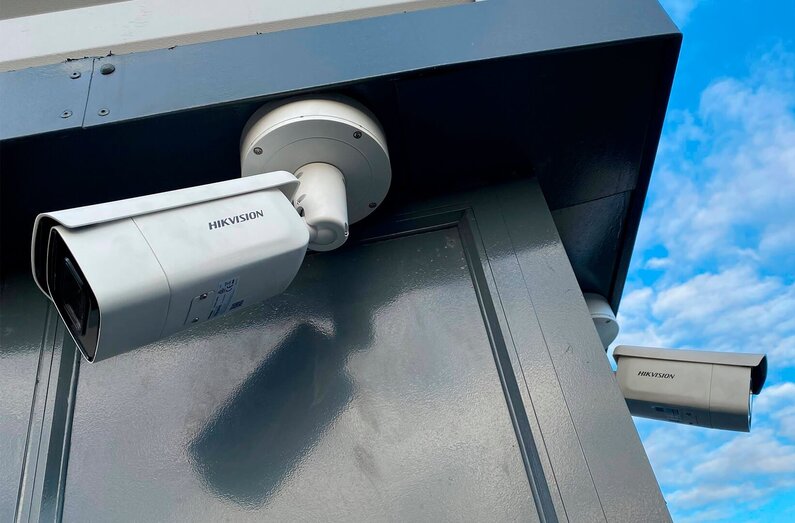
Video surveillance performs several tasks in healthcare: it protects entrances, emergency rooms, and parking areas from unauthorized access, documents incidents, and ensures greater safety for patients and employees.
Even sensitive areas such as pharmacies, cash registers, or warehouses can be monitored discreetly. Modern systems can be operated in compliance with data protection regulations and deliver high-resolution images that constitute legally admissible evidence in the event of an emergency.
Alarm systems – Comprehensive protection for buildings and technology
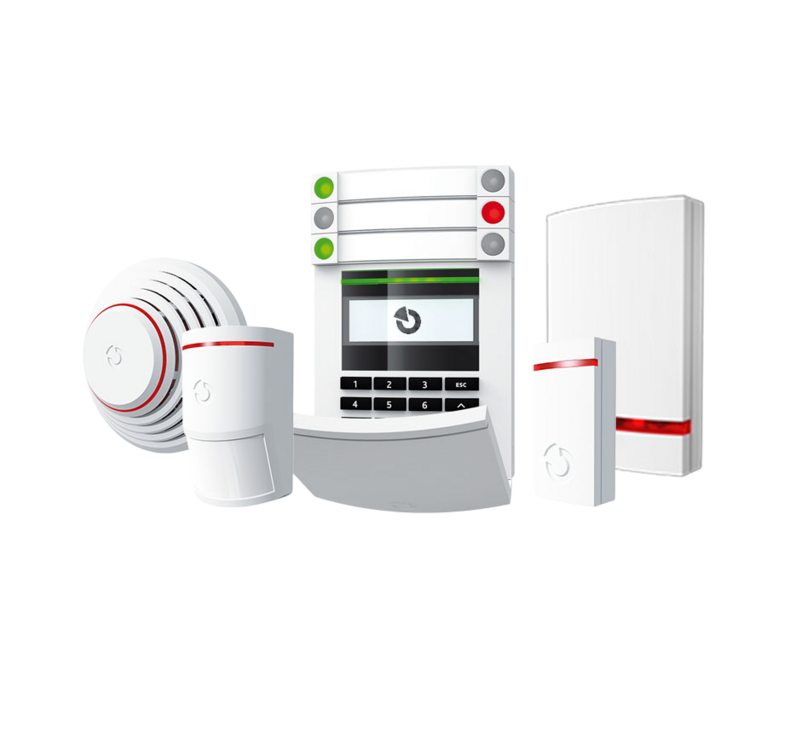
Clinics and health centers must operate 24 hours a day – yet there are areas that are unoccupied outside certain hours. Alarm systems provide reliable protection against burglary, vandalism, or fire. Door and window contacts, motion detectors, and glass break sensors immediately detect unauthorized access.
Smoke, gas, or temperature detectors can also be integrated—this is essential in technical areas, server rooms, or laboratories. Alarms are triggered by sirens, push notifications, or optionally via a control center.
Panic lock conversions & escape route security
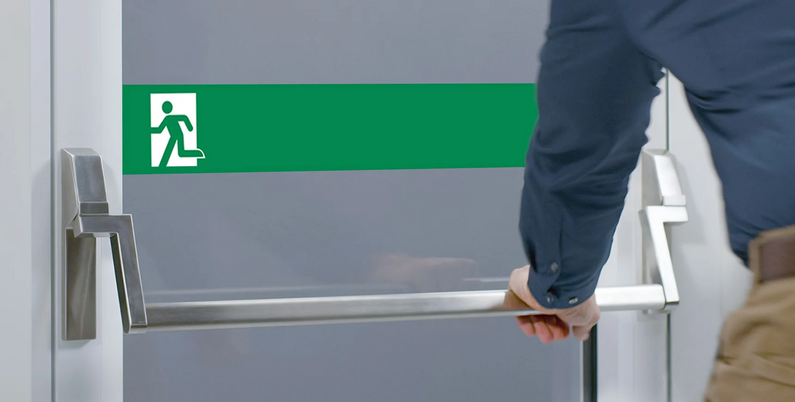
In buildings with many patients and visitors, escape and rescue routes must be guaranteed at all times. At the same time, these routes must not serve as loopholes for unauthorized access. Panic locks and escape route security devices are the ideal solution here: they enable rapid evacuation in an emergency while preventing tampering from outside.
Especially in multi-story clinics or large health centers, the right escape route security is crucial to prevent panic in an emergency and ensure an orderly evacuation.
Our conclusion – clinics and health centers fully covered
In healthcare, every second counts – which is why a reliable security concept is essential. Access controls for sensitive areas, modern video surveillance, alarm systems, and escape route security measures create a protection system that safeguards patients, staff, and valuables alike. At the same time, processes become more efficient and transparent, allowing doctors and nurses to concentrate on their most important task: providing the best possible care for their patients.