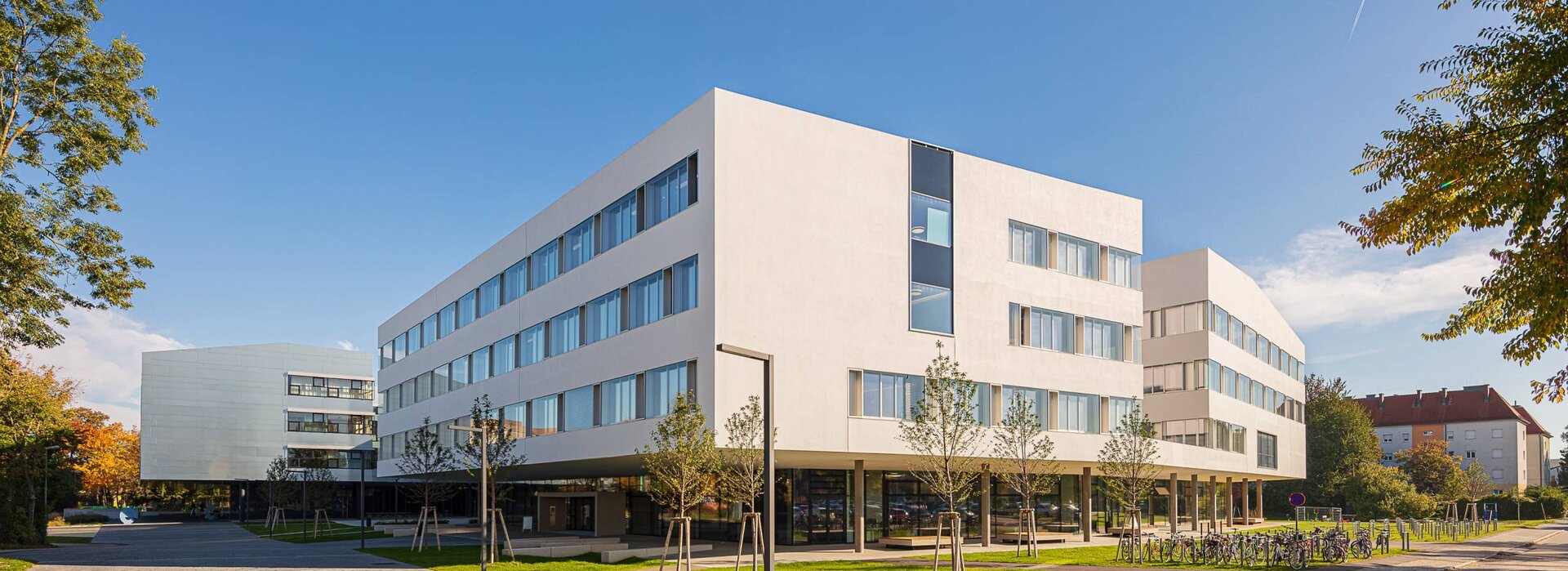
Universities and technical colleges – security for complex facilities
Universities and technical colleges are among the most diverse facilities imaginable: they combine teaching, research, administration, and often publicly accessible areas such as libraries, cafeterias, or event rooms. The requirements for a well-thought-out security concept are correspondingly high. Our solutions ensure a clear structure, smooth processes, and protection for people, data, and infrastructure – without restricting the open character of a university.
Access control and/or mechanical locking system
Electronic access systems are indispensable for universities, as they enable flexible and time-based access rights. Students can use a card or mobile key to access lecture halls, libraries, or laboratories—restricted to opening hours and only for the areas relevant to them. Teaching and administrative staff have extended rights that can be adjusted at any time.
Examination rooms and IT server rooms can also be reliably secured in this way. External service providers such as cleaning staff or caterers can be given time-limited authorizations that expire automatically. Mechanical locking systems continue to play a role—for example, in areas that are accessed less frequently and where an electronic system is not absolutely necessary. Combining both systems creates a flexible and cost-effective solution.

Video surveillance – transparency and prevention
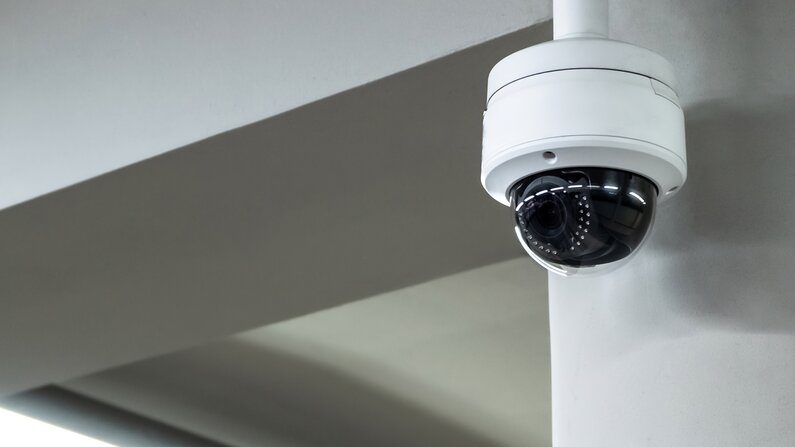
Modern video surveillance helps universities prevent vandalism, theft, and unauthorized access. Entrances, libraries, cafeterias, and parking areas can be equipped with cameras that provide legally admissible evidence in the event of an emergency.
Data protection plays a particularly important role here: systems are configured so that only security-relevant areas are monitored and the storage period complies with legal requirements. At the same time, integration into access systems is possible so that events can be traced directly.
Alarm systems – security even after lectures have ended
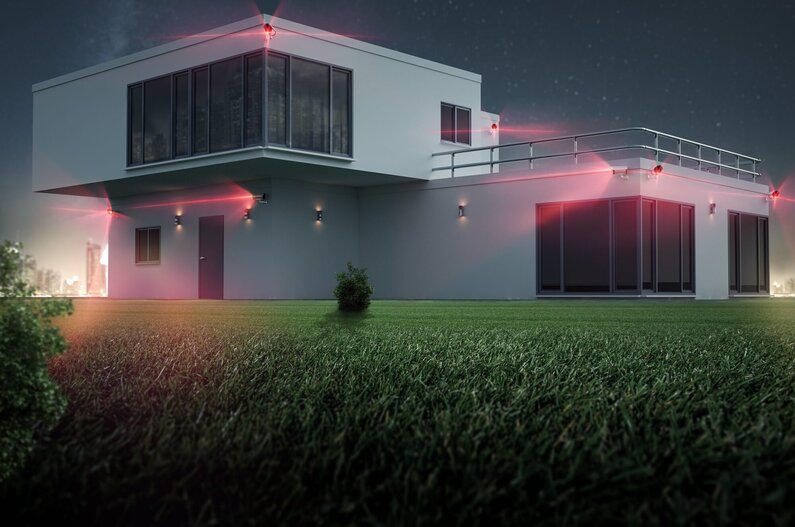
Universities are a popular target for burglary and vandalism, especially in the evening and at night. An alarm system ensures that buildings are optimally protected even outside teaching hours. Door and window contacts, motion detectors, and glass break sensors immediately register unauthorized access.
Smoke and gas detectors can also be integrated—an important aspect, especially in laboratories where chemicals or sensitive equipment are used. Alarms are triggered by sirens, push notifications, or optionally via a control center.
Digital signage & screens for e-learning
In large universities with multiple buildings, orientation is an important issue. Traditional signage for rooms, lecture halls, or timetables is just as relevant as modern digital solutions.
Interactive screens can serve as digital bulletin boards: they display current room changes, exam schedules, or event notices and can be controlled centrally. In addition, the same systems can be used for e-learning—for example, to display course materials or for hybrid lectures.

Amok protection – targeted locking in an emergency
Universities also have to deal with emergency scenarios such as rampages. With modern access systems such as Salto, it is possible to centrally lock buildings or individual rooms in an emergency. This allows students and teachers to be brought to safety while defined escape routes remain open.
Panic lock conversions & escape route security
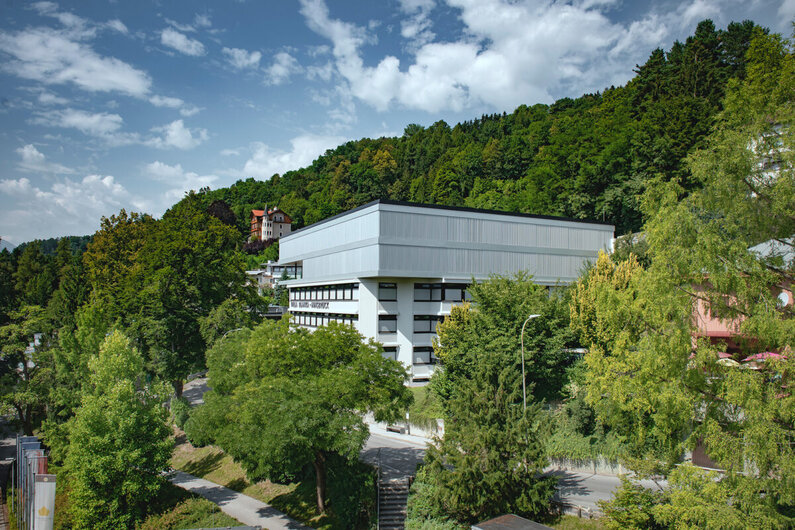
Escape routes must be open and functional at all times. At the same time, it must not be possible for unauthorized persons to misuse these access points. Panic locks and escape route security devices are the solution: they allow immediate evacuation in an emergency while preventing tampering from outside.

Our conclusion – comprehensive security for universities
Universities and colleges are complex systems that require flexible, modular, and reliable security solutions. With modern access control, video surveillance, alarm systems, interactive signage, and amok and escape route security, we create an environment that protects research, teaching, and administration alike.
Students and staff benefit from clear structures and a safe environment, while universities can maintain their open character.